As Canadian healthcare providers, you're no strangers to the hustle of the holiday season. Between managing patient loads, navigating winter flu surges, and balancing personal time, the festive period can feel more frantic than fun. But what if we took a moment to step back and explore some quirky global traditions that add a dash of whimsy to the winter celebrations?
These funny, interesting, and downright weird customs from around the world remind us of the diverse ways people mark the holidays. Not only do they offer a light-hearted break from the daily grind, but they also highlight cultural sensitivity – a key skill in providing inclusive care to Canada's multicultural population.
Let's unwrap these global gems and discover how they might inspire your own festive flair.
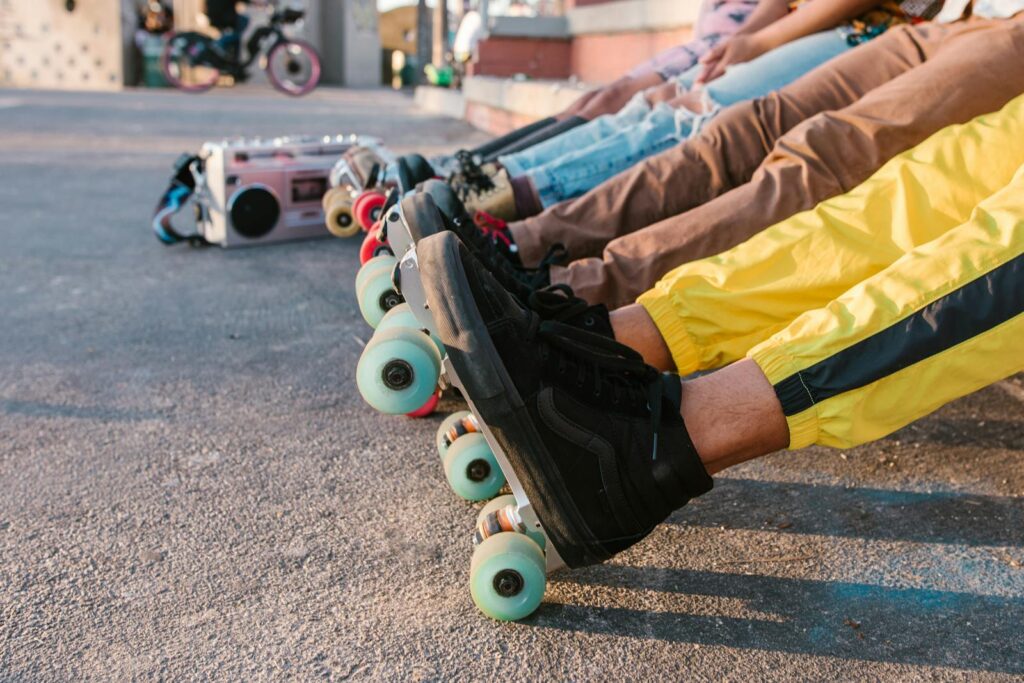
Imagine starting your Christmas morning not with a quiet coffee, but by lacing up roller skates and gliding to mass. In Caracas, Venezuela, this is a beloved tradition where entire families roller skate to early morning services. Streets are closed to traffic from as early as 8 a.m., allowing safe passage for skaters of all ages. Children even tie a skate lace to their big toe and dangle the skate out the window overnight, so friends can tug it to wake them up for the fun.
This custom, blending faith with physical activity, dates back decades and turns a solemn occasion into a community parade. For healthcare providers, it's a reminder of how movement can boost endorphins during stressful times – perhaps inspire a winter walk with colleagues?
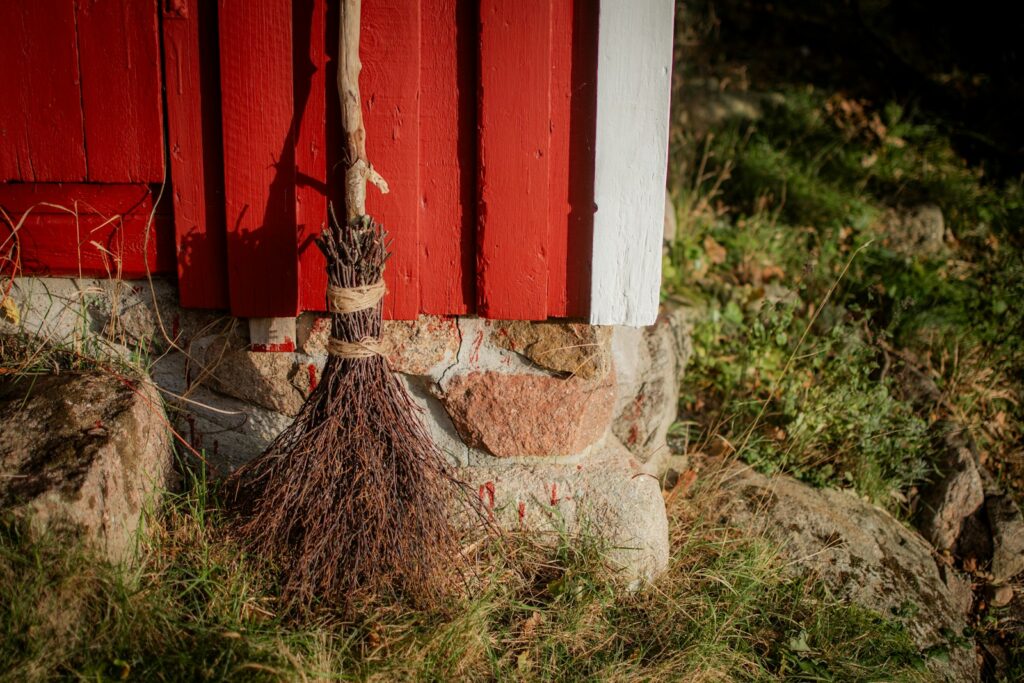
In Norway, Christmas Eve involves more than hanging stockings; it includes hiding all the household brooms. Legend has it that witches and evil spirits emerge on this night, seeking brooms to ride through the skies and cause mischief. To thwart them, families tuck away their cleaning tools in closets or under beds.
This quirky superstition stems from ancient folklore, adding a playful element to holiday preparations. It's a fun way to involve kids in "protecting" the home, and who knows – it might encourage a pre-holiday tidy-up. As busy pros in Canada's healthcare system, think of it as a metaphor for sweeping away work worries for a peaceful break.
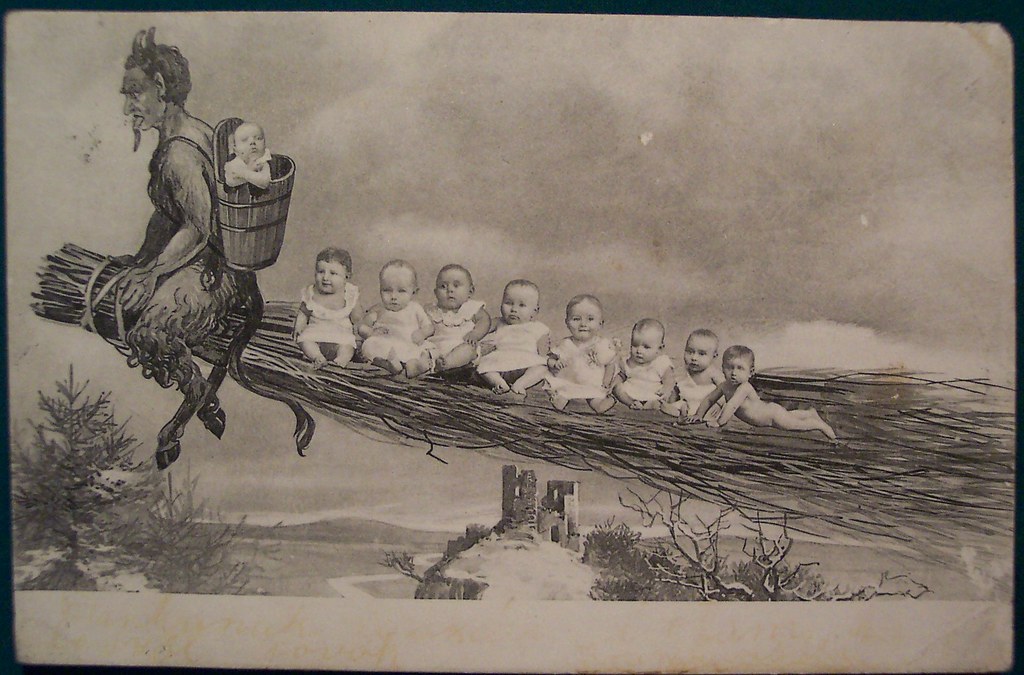
While Santa rewards the good, Austria introduces Krampus, a horned, furry demon who deals with the naughty. On December 5th, known as Krampusnacht, men dress in elaborate costumes complete with bells and switches, parading through streets to scare misbehaving children (and sometimes adults) with playful threats.
Rooted in pre-Christian Alpine folklore, Krampus balances the sweetness of the season with a dash of fright. Parades have become festive events, drawing crowds for the spectacle. For Canadian clinicians, it's a humorous nod to maintaining balance – much like juggling patient care and self-care.
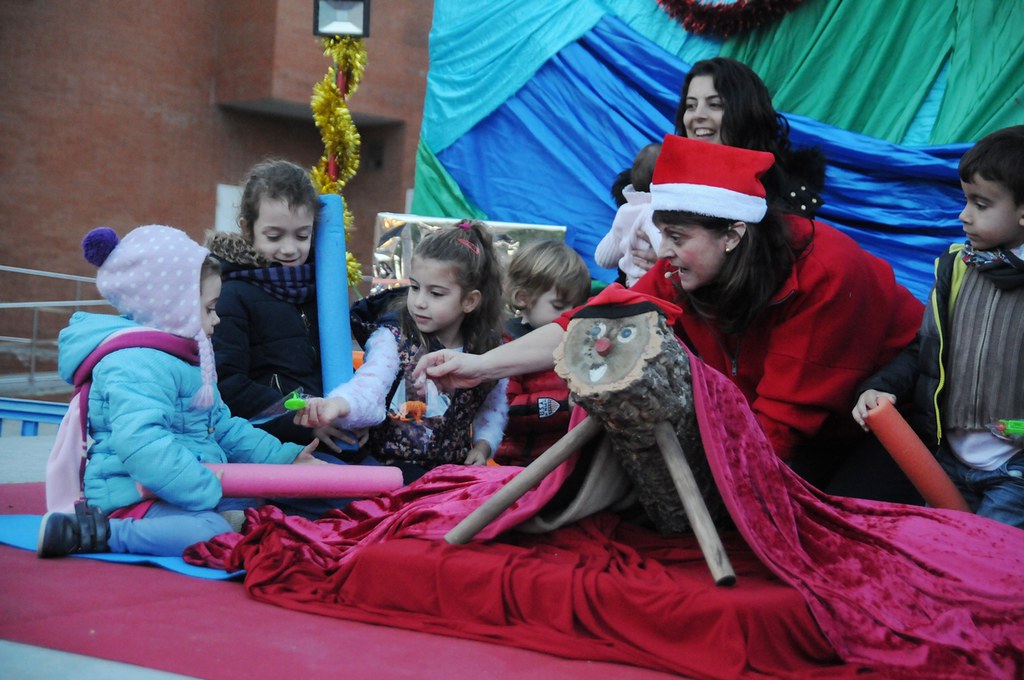
Catalonia takes festive fun to cheeky heights with Caga Tió, a log with a painted face and hat. From December 8th, children "feed" it treats like nuts and fruits, covering it with a blanket each night. On Christmas Eve, they beat it with sticks while singing songs, urging it to "poop" out gifts and sweets hidden underneath.
Adding to the theme, nativity scenes feature the Caganer, a figurine of a pooping peasant tucked among the holy family – symbolizing fertility and good luck. These traditions, dating back centuries, bring laughter to the holidays. In a field like healthcare, where we deal with the human body daily, it's a light-hearted celebration of life's basics.
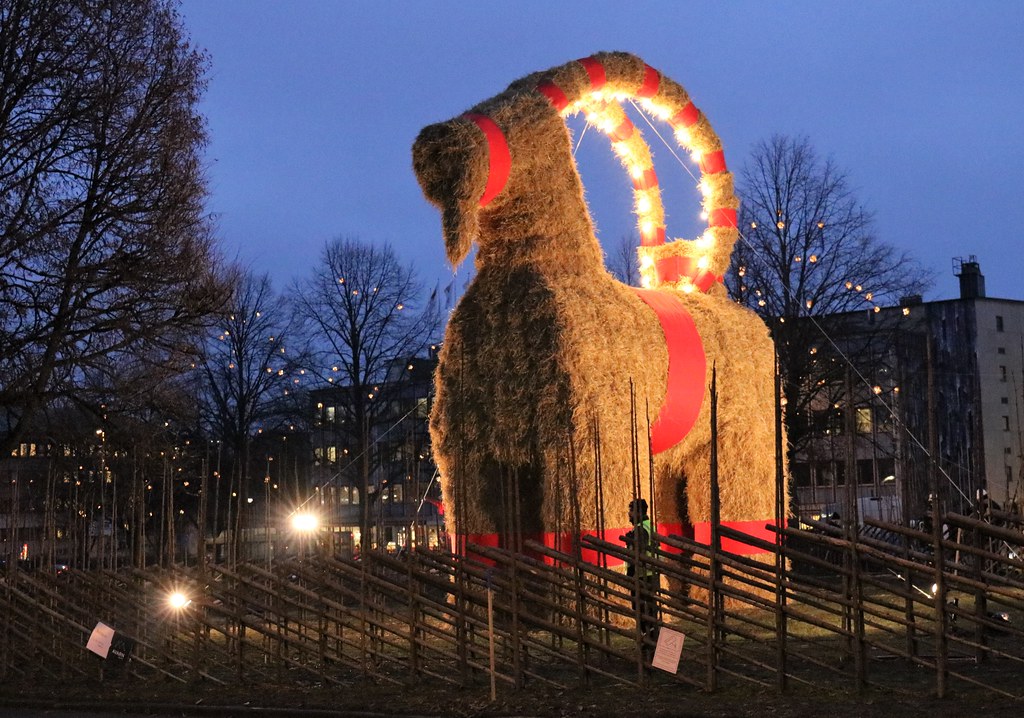
Sweden's Gävle Goat is no ordinary decoration – it's a massive straw structure, often over 40 feet tall, erected in town squares. Built annually since 1966, it honors ancient pagan Yule symbols, but arsonists frequently try to burn it down, turning it into a survival challenge watched worldwide via webcam.
Despite the fiery fate, the goat represents resilience and community spirit. Smaller versions adorn homes as ornaments. For healthcare workers facing burnout, it's a symbol of bouncing back with humor.
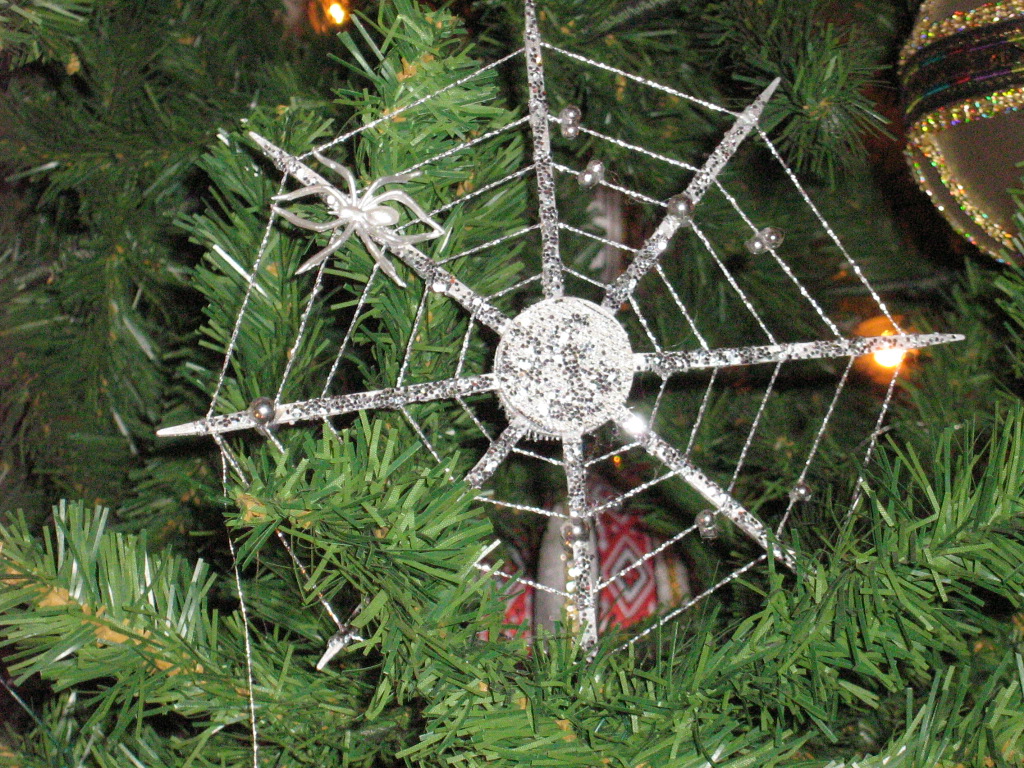
Forget tinsel – in Ukraine, Christmas trees sparkle with artificial spider webs for good luck. The custom comes from a folktale of a poor widow whose bare tree was adorned by spiders overnight, their webs turning to gold and silver in the morning sun.
This tradition adds a magical, eco-inspired touch to decorations and is said to bring prosperity. It's a beautiful reminder for Canadian providers of how small acts can weave big impacts in patient lives.
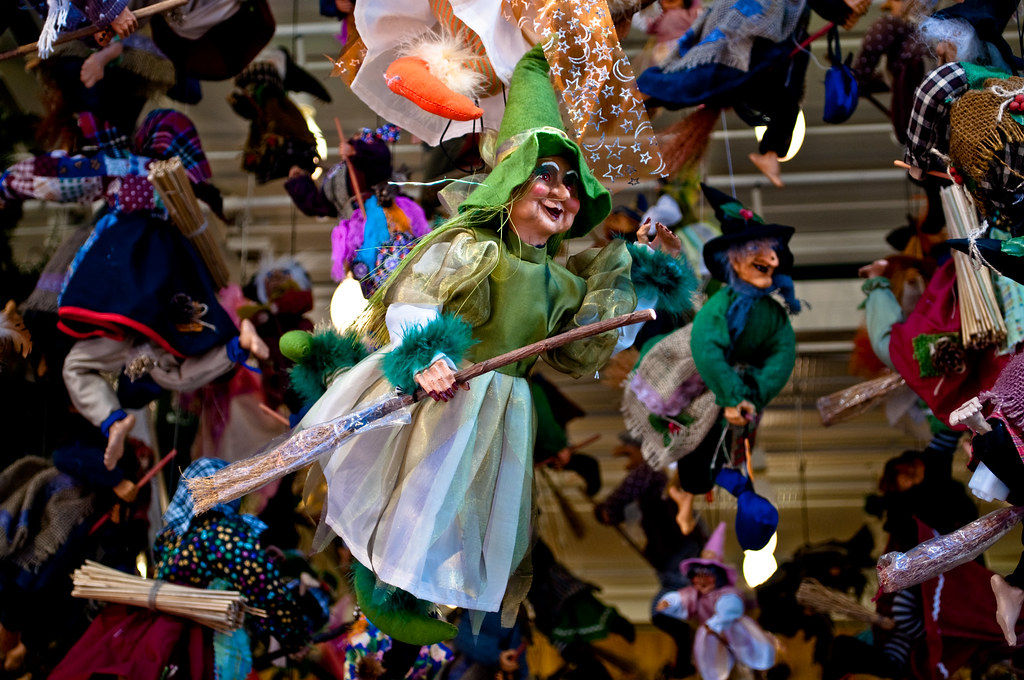
In Italy, January 5th brings La Befana, a kind old witch who flies on a broomstick, delivering gifts through chimneys. Good children get sweets and toys; naughty ones receive coal (or onions). She sweeps the floor as she leaves, brushing away the old year's troubles.
Stemming from Epiphany lore, where Befana regretted not joining the Wise Men, this custom extends the holiday joy. For those in healthcare, it's like a magical reset button after a long year.
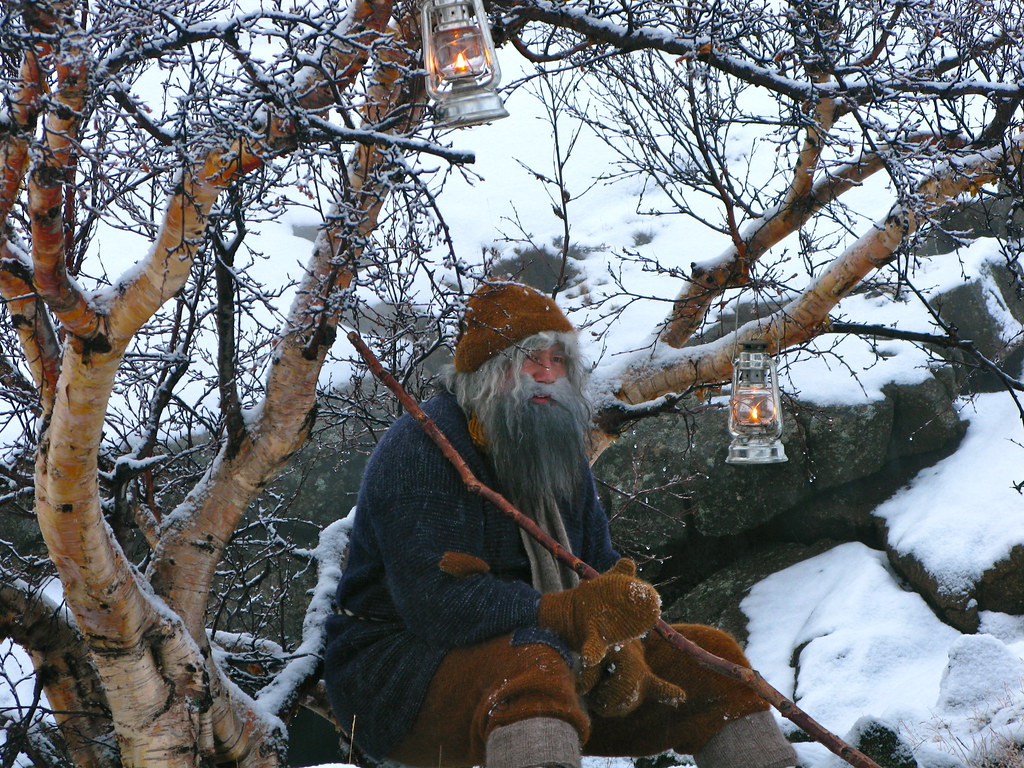
Iceland's 13 Yule Lads – mischievous trolls with names like Spoon-Licker and Door-Slammer – visit over 13 nights before Christmas. Children leave shoes on windowsills; well-behaved kids get treats, while naughty ones find rotten potatoes.
These lads, once scary figures in folklore, now bring fun and folklore to the season. It's a creative way to encourage good behavior with a twist. As health pros, appreciate the potato as a nod to nutrition amid indulgence.

A quirky German-American custom involves hiding a pickle ornament on the Christmas tree. The first child to spot it gets an extra gift or good luck for the year. Legends vary, from a Civil War soldier saved by a pickle to medieval tales.
This game adds excitement to tree-trimming and fosters family bonding. In Canada's diverse clinics, it's a simple activity to share with multicultural teams.
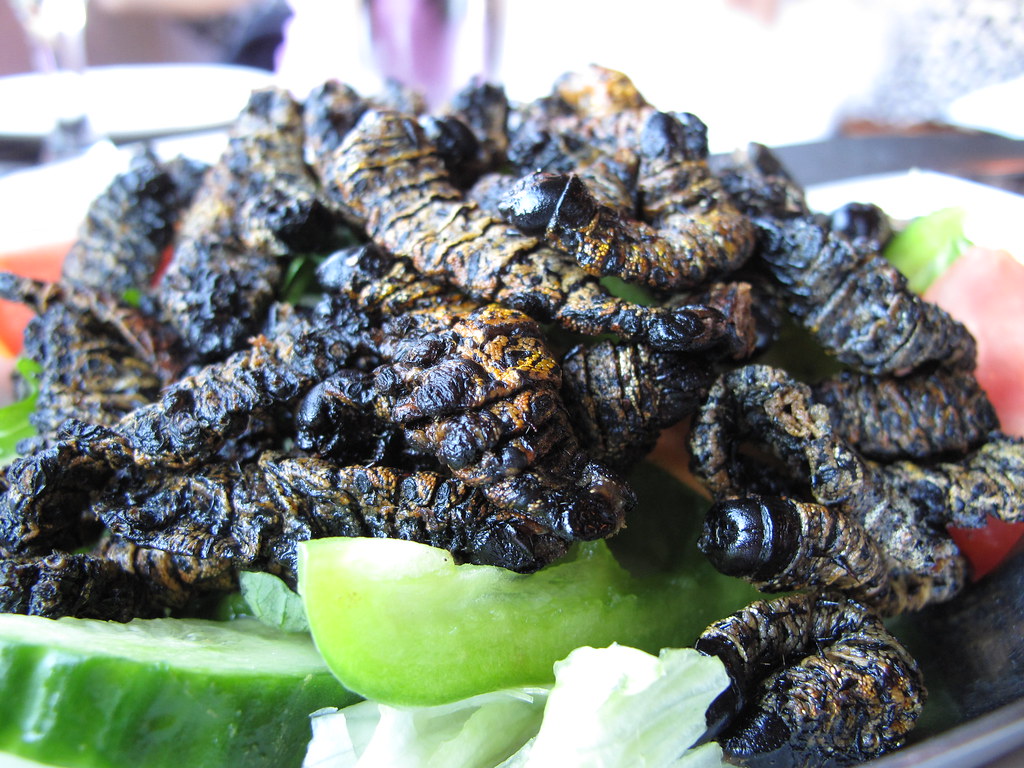
In South Africa, the holidays include munching on fried Pine Tree Emperor Moth caterpillars, colorful critters believed to bring luck. Harvested from mopane trees, they're a protein-packed snack enjoyed during festive meals.
This tradition highlights sustainable foraging and adds an adventurous flavor to celebrations. For healthcare providers promoting balanced diets, it's a fun example of global nutrition.
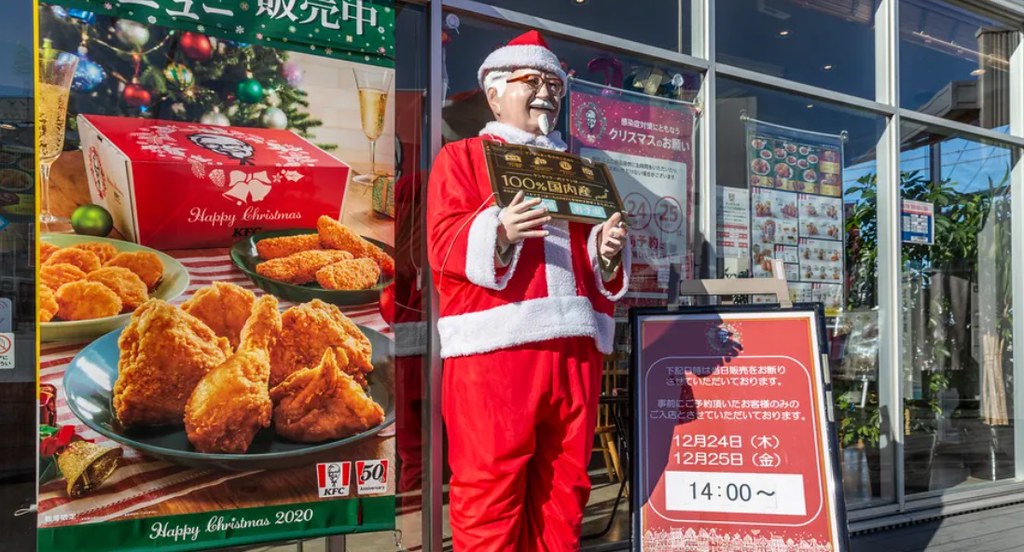
Japan transforms Christmas into a romantic, non-religious holiday with KFC fried chicken as the star meal. Thanks to a 1970s marketing campaign, families reserve "party barrels" weeks in advance, complete with cake and sides.
This finger-lickin' feast has become a cultural staple, blending Western influences with local twists. It's a reminder for busy pros that holidays can be simple and enjoyable – no elaborate cooking required.
These global traditions showcase the creativity and joy humans infuse into the festive season, from playful pranks to heartfelt rituals. As Canadian healthcare providers, embracing such diversity can enhance empathy in patient interactions, especially during holidays when cultural backgrounds shine.
Whether you adopt a new custom or simply share a laugh, let these stories add sparkle to your season. Here's to a weird, wonderful, and well-deserved break!