Canadian healthcare professionals know the pressure of busy clinics and challenging patient care. But effective mental health strategies do not have to be complicated or time-consuming. Discover these quick science-backed hacks to help you de-stress, recharge, and stay at your best, all during your workday.
Constant demand, complex cases, and organizational change mean Canadian providers face unique stressors. Research shows that targeted, individual-level interventions, like relaxation and attention redirection, help reduce stress and sustain well-being for providers (PMC: Individual-level interventions). Prioritizing mental health is good for you and supports patient outcomes and team morale (Nature: STRAIN intervention).

Looking for a quick reset between patient charts or meetings? Try box breathing. Inhale for 4 seconds, hold for 4 seconds, exhale for 4 seconds, then hold for another 4 seconds. Repeat three times. This simple practice calms your nervous system quickly and requires no equipment. Box breathing has been shown to reduce stress and increase focus in clinical settings (CMAJ: Breathing techniques).
How to do it:
Just a minute or two can make a significant difference.
Mindfulness does not mean meditating for an hour with a candle. Micro-moments count. Take 20 or 30 seconds to simply notice your surroundings, your breath, or the sounds outside. Studies suggest brief mindfulness interventions during work hours lower anxiety and foster emotional balance (Cochrane Review).
Try this: Take a “Mindful Pause” every time you sanitize your hands. Notice the sensation, your breath, and one thing you are grateful for.

Healthcare is a team sport. Short, friendly interactions with colleagues can boost your mood and wellbeing (Nature: STRAIN intervention). Whether grabbing coffee, sharing a laugh in the hallway, or sending a supportive message, social contact acts as a buffer against stress.
Tip: At the end of a tough shift, jot down or share one positive moment from the day. This builds connection and resilience.
Movement is medicine, even if it is just a one-minute stretch or walk. Short bursts of physical activity during work hours improve energy and reduce muscle tension. Hospital studies found that micro-exercises can significantly reduce perceived stress (PMC: Occupational stress interventions).
Quick moves:
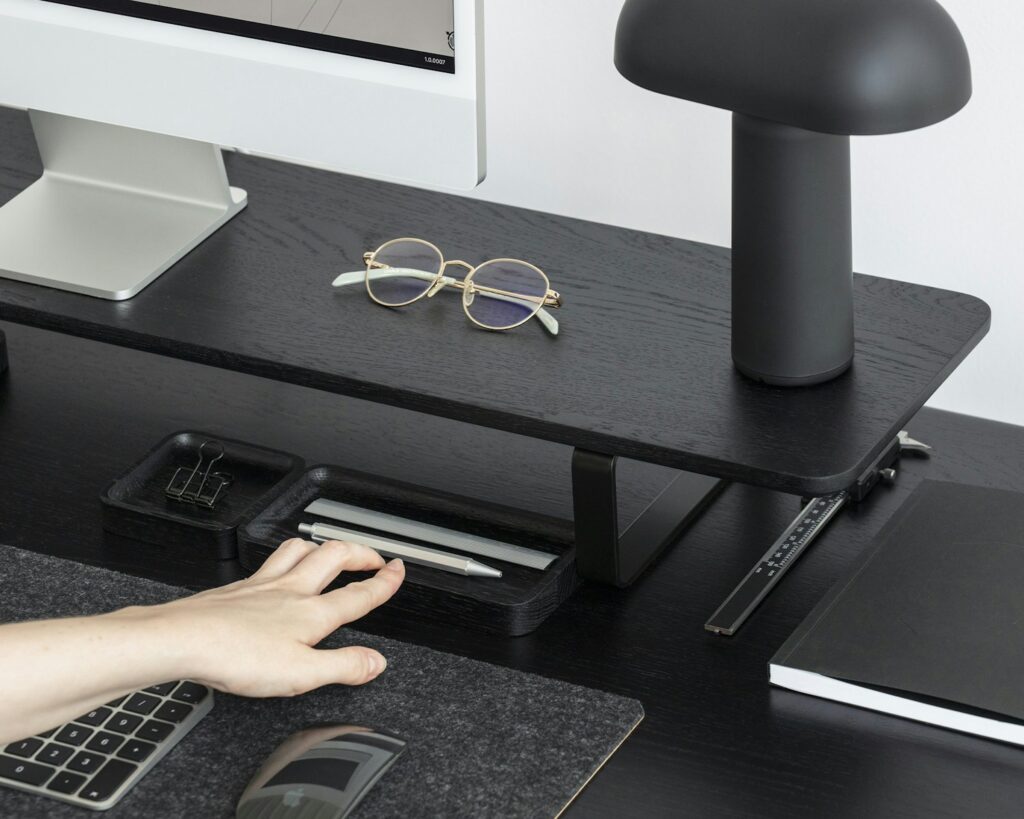
A tidy workspace supports a tidy mind. Take 60 seconds to clear your desk or workstation. Organized environments have been linked with lower stress levels and greater focus for clinicians (Hearts for Healthcare).
Challenge: Before lunch, clear one area of clutter. See how it feels.
There are apps designed for stress relief. Mindfulness and relaxation apps like Headspace and Calm offer guided sessions for busy professionals. Many Canadian organizations, such as the Centre for Addiction and Mental Health (CAMH), provide workplace mental health resources (CAMH: Workplace Mental Health).
Recommended resource links for healthcare workers:

Healthcare providers are often their own toughest critics. Counter negative thoughts by writing down supportive reminders or affirmations. Studies show reframing self-talk boosts resilience and defuses stress reactions (Cochrane Review).
Example phrases:
Did you comfort a worried patient or solve a tricky scheduling issue? Celebrate. Recognizing daily successes reinforces a sense of purpose and can reduce burnout over time (Hearts for Healthcare).
Keep a Win Jar: Write down something good each day and add it to your jar or digital note.
Mental health support in Canadian healthcare does not require massive change. Tiny actions add up. Try a mental health booster today, share it with a colleague, and make wellness part of your routine.